How to Read a Horse Racing Form Guide
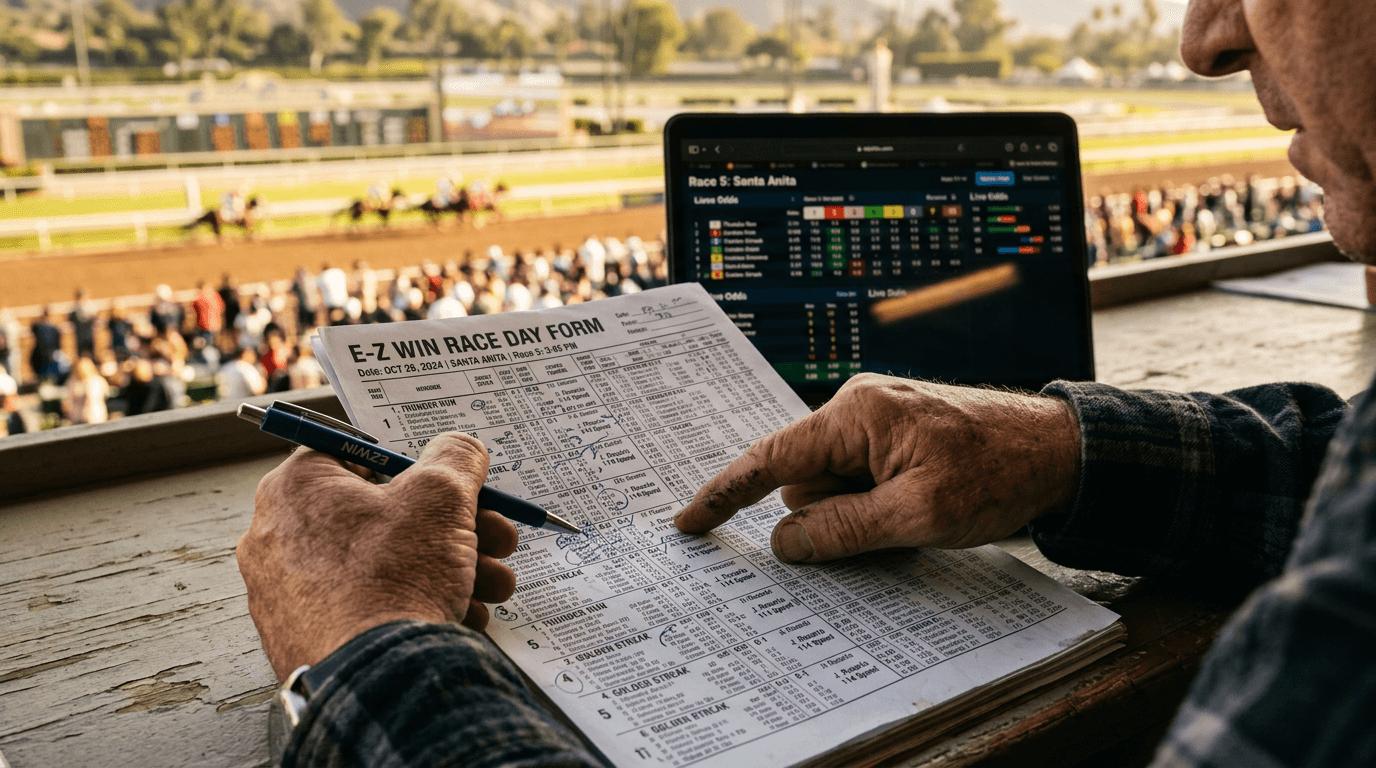
A horse racing form guide contains far more than a list of previous results. For racing enthusiasts, it is a starting point for understanding a horse’s experience, consistency, preferred conditions and potential suitability for an upcoming contest.
Learning how to read form can make a race more engaging because it encourages readers to look beyond a horse’s name or its position in the betting market.

Start With Recent Performances
Previous finishing positions offer a useful introduction, but they do not tell the complete story.
Consider how a horse performed in each race. Did it finish strongly? Was it beaten by a narrow margin? Did it face stronger opposition, race over an unfamiliar distance or encounter conditions that did not suit its strengths?
A fourth-place finish in a competitive field may tell a more encouraging story than a victory against much weaker opposition.
Distance and Track Conditions Matter
A horse’s record over a particular distance can offer clues about its suitability for the next assignment. Some runners show their best form over shorter trips, while others appear more effective when given additional ground.
Track conditions deserve similar attention. A runner that performs well on firm turf may not reproduce the same performance on softer ground. Surface preferences are particularly important when comparing form from different countries.
Compare the Level of Competition
Previous races should be considered in context. The quality of the opposition, the race conditions and any changes in assigned weight can affect how performances compare.
It is also worth reviewing whether the horse has experience at the relevant course or under similar conditions.
Look for Patterns, Not Guarantees
Form analysis is most useful when several pieces of evidence point in the same direction. Consistency, distance suitability and competitive recent performances can strengthen a case, but none guarantees a future result.
Unexpected pace, traffic, weather and the performances of other runners can change a race dramatically.
A good form guide should encourage informed judgement rather than certainty. The aim is not to predict every winner, but to understand each contender’s strengths, weaknesses and likely challenges.