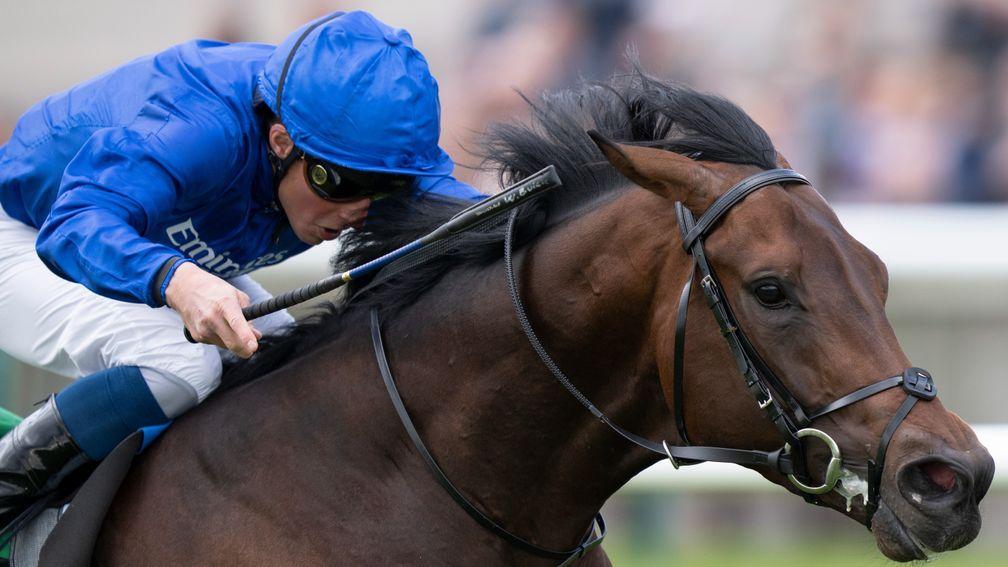
The Jockey’s Craft Beyond the Finish Line
Horse racing is a team effort, and the jockey’s role is among the most visible parts of that partnership. Although a race may last only a few minutes, the decisions made during that time can influence how effectively a horse uses its ability.
A successful ride requires more than strength or speed. It depends on judgement, balance, timing, experience and an understanding of the horse beneath the saddle.
Positioning and Timing
From the start, a jockey must assess the pace, the movement of rival runners and the available racing room. Finding a suitable position can help a horse travel efficiently, while poor positioning may leave it covering extra ground or struggling to make progress.
Timing is equally important. Asking for an effort too early can leave a horse vulnerable late in the race. Waiting too long, however, may allow an opportunity to disappear.
These decisions are shaped by the race distance, the horse’s running style and the development of the contest.
Understanding the Horse
Jockeys work with horses of different temperaments and abilities. Some settle comfortably behind the leaders, while others perform better when allowed to race prominently.
Recognising these tendencies helps riders make informed decisions. Communication between jockey and trainer is also important because it connects the horse’s preparation with the intended race-day approach.
Adapting During a Race
Even a carefully planned ride can change when the gates open. A slow start, an unexpected pace or a competitor moving across the field may require a quick adjustment.
Good judgement involves responding to those developments while remaining mindful of the horse’s effort and safety.
An International Profession
Jockeys compete across racing jurisdictions and experience different courses, surfaces and tactical traditions. Their ability to adapt is an important part of international racing.
For fans, studying a jockey’s decisions can make a race more interesting. For analysts, riding style is one relevant factor among many, alongside the horse’s form, fitness, conditions and competition.
The finish line records the result, but the ride that leads to it can reveal a great deal about the race.
Behind every performance is a partnership built on preparation, trust and judgement.