Sprint, Mile or Staying Race? How Distance Shapes the Contest
Not every racehorse is suited to the same distance. Some runners are most effective over short trips, where a quick start and sustained speed are vital. Others need more ground to settle into a rhythm and finish strongly.
Distance is therefore one of the first factors worth examining when analysing an international race.
The Demands of Sprinting
Sprint races place a premium on acceleration, early positioning and the ability to maintain speed over a relatively short distance.
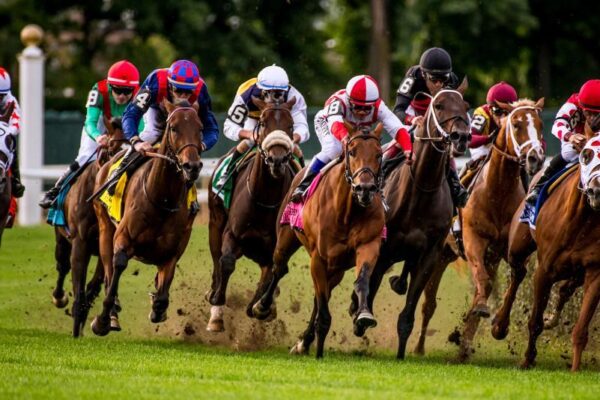
The start can have a major influence on the shape of the contest. A horse that loses ground early may have little time to recover, particularly when the field is tightly grouped.
Jockeys must judge when to ask for an effort, balancing the need for position against the risk of using too much energy too soon.
Middle-Distance Racing Requires Balance
Middle-distance races often demand a combination of speed, tactical awareness and stamina. Horses need to remain competitive without exhausting themselves before the decisive stage.
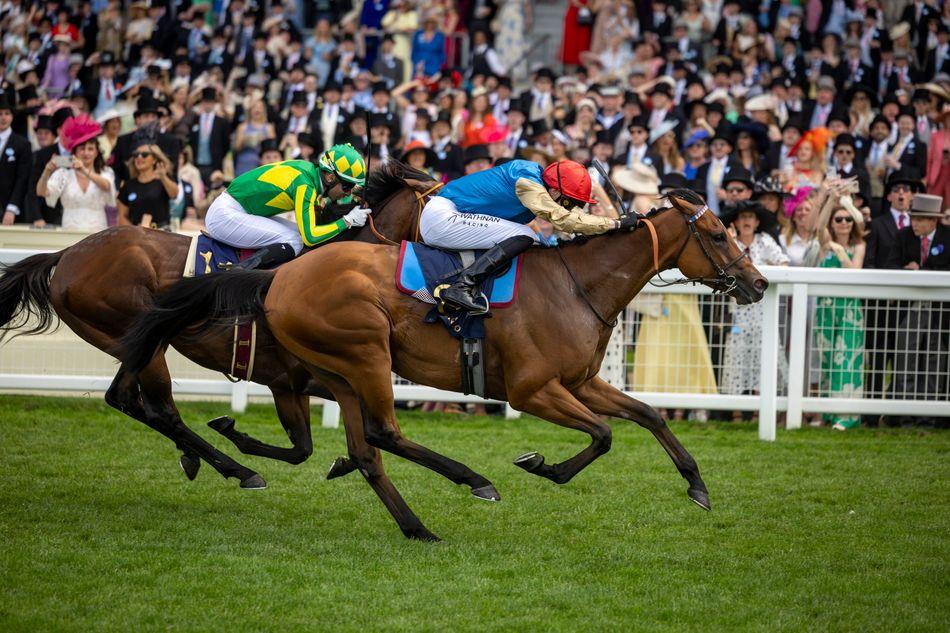
Pace becomes particularly important. An unusually fast early tempo can change the demands of the finish, while a slower race may favour runners with a strong turn of foot.
The ability to settle and respond when asked can be as significant as raw speed.
The Challenge of Staying
Longer races place greater emphasis on stamina, rhythm and energy management. A horse that travels efficiently and conserves energy can be well positioned for the final stages.
However, stamina alone does not guarantee success. Position, pace, course configuration and the quality of the opposition remain important.
How Analysts Should Assess Distance
A horse’s previous results at similar distances offer a useful starting point. Its finishing effort, running style and response to changes in tempo can add further context.
Pedigree may provide clues about likely stamina, but actual performances remain important evidence.
Distance should always be considered alongside surface, track conditions and the race’s expected pace.
The key lesson is simple: the best horse over one distance is not automatically the best horse over another. Understanding the demands of the trip helps explain why racing outcomes can change when the distance changes.
At CCAS.com, every race begins with understanding the challenge.