The Work Behind a Winning Racehorse
Race day may provide the most visible moment in a racehorse’s career, but the performance begins long before the field enters the starting gates.
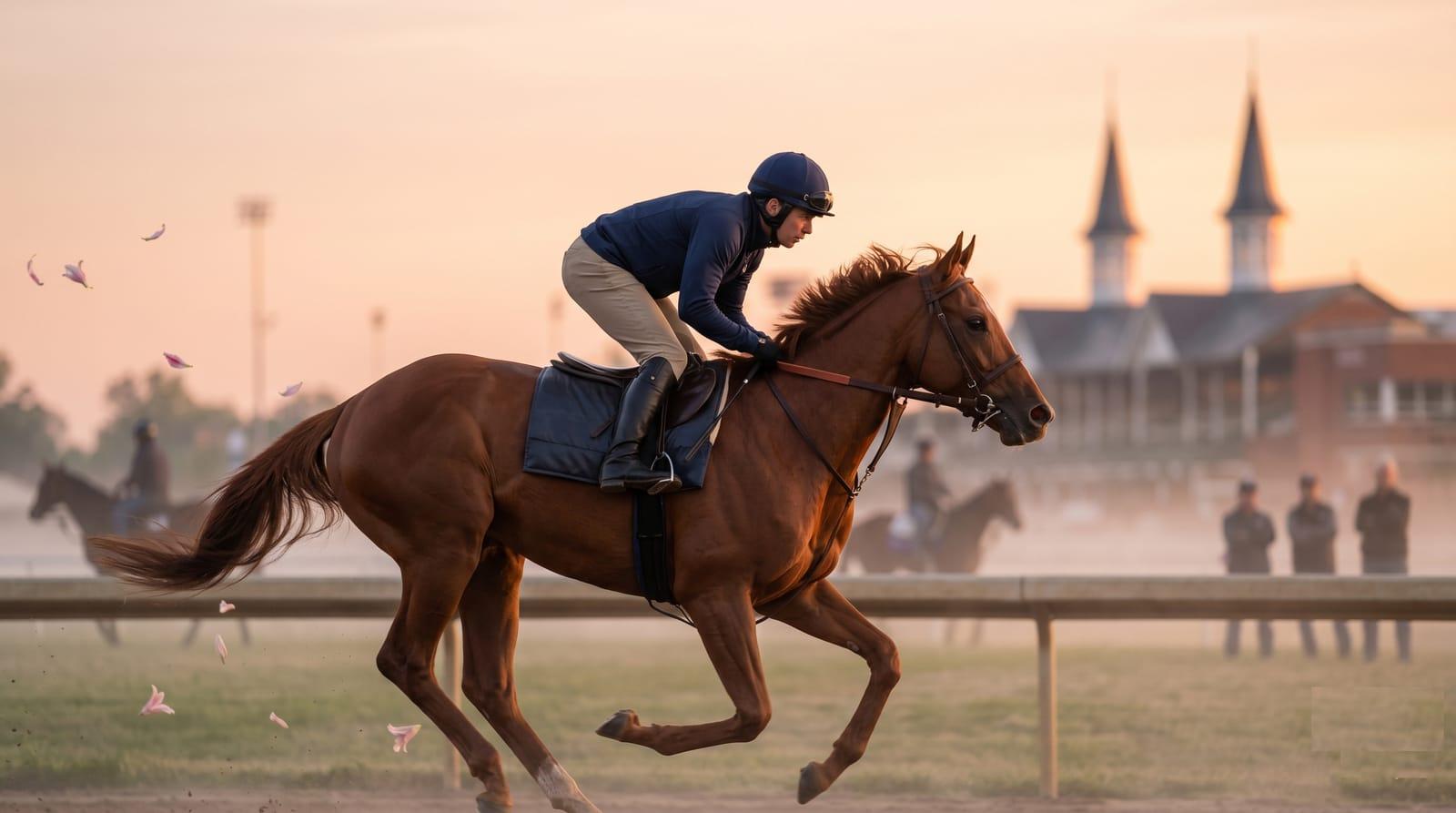
Training is a process of preparation, observation and adjustment. Trainers and their teams work to develop fitness, maintain condition and help each horse prepare for the demands of a particular race.
Preparation Is Individual
Racehorses differ in temperament, physical development, experience and preferred racing conditions. As a result, preparation must account for the individual rather than follow a single formula.
A trainer considers the horse’s workload, recovery, previous performances and upcoming assignments. Veterinary advice and other professional support can help identify health concerns and guide appropriate management.
Fitness and Recovery
Training aims to prepare horses for the effort required on race day. The challenge is to build suitable fitness while managing fatigue and avoiding unnecessary risk.
Workload, rest, nutrition and general health all contribute to the process. Recovery is not separate from training; it is part of preparing a horse to perform consistently and safely.
Planning the Right Assignment
Choosing a race involves several considerations. Distance, surface, competition level and the horse’s current condition can all influence the decision.
A promising horse may need further experience before facing stronger opposition. Another may be suited to a specific distance or set of conditions.
Plans can also change when a horse needs additional time or when circumstances make an intended race unsuitable.
Teamwork Behind the Scenes
Owners, stable staff, trainers, veterinarians, farriers and other professionals contribute to different parts of a horse’s preparation and care.
Their work is often less visible than a jockey’s performance, but it is essential to the operation of a racing stable.
Reading Results in Context
A disappointing performance does not automatically mean that preparation has failed. Race conditions, competition, pace and other circumstances can influence the outcome.
Similarly, one victory does not reveal everything about a horse’s long-term prospects. Consistency over time offers a fuller picture.
Understanding the work behind a racehorse allows fans to look beyond the final result and appreciate the planning and care involved in preparing an athlete for competition.
The foundation of a race-day performance is built long before the crowd sees the horses.