The Track Beneath the Hooves: Why Racing Conditions Matter
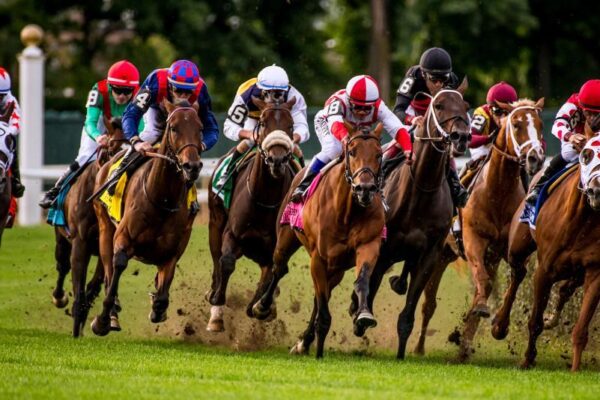
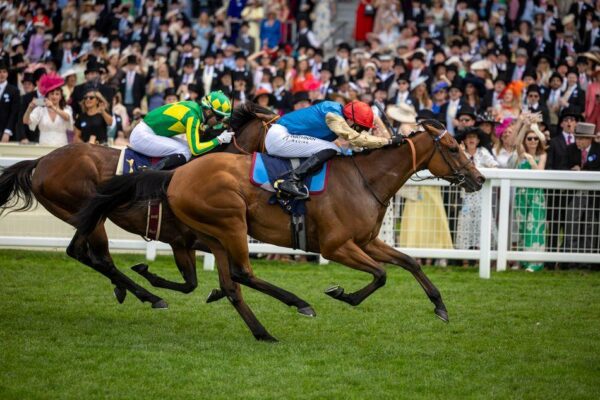
A horse race is often remembered for its winning performance, but the surface beneath the runners can play an important role in shaping the contest.
Track conditions influence how horses travel, how jockeys manage their mounts and how the race develops from the start to the finish. Understanding the racing surface is therefore an important part of informed race analysis.
Turf and Dirt Present Different Challenges
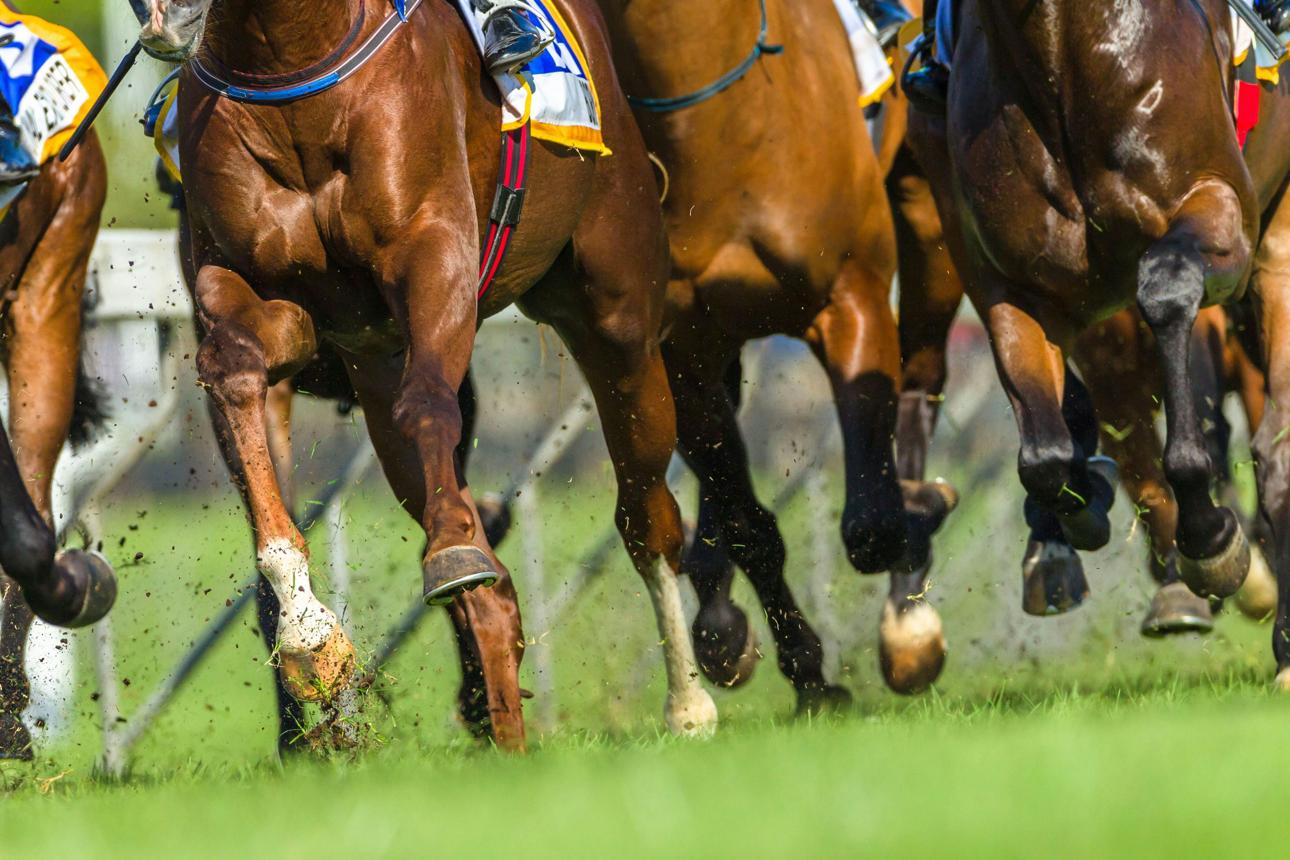
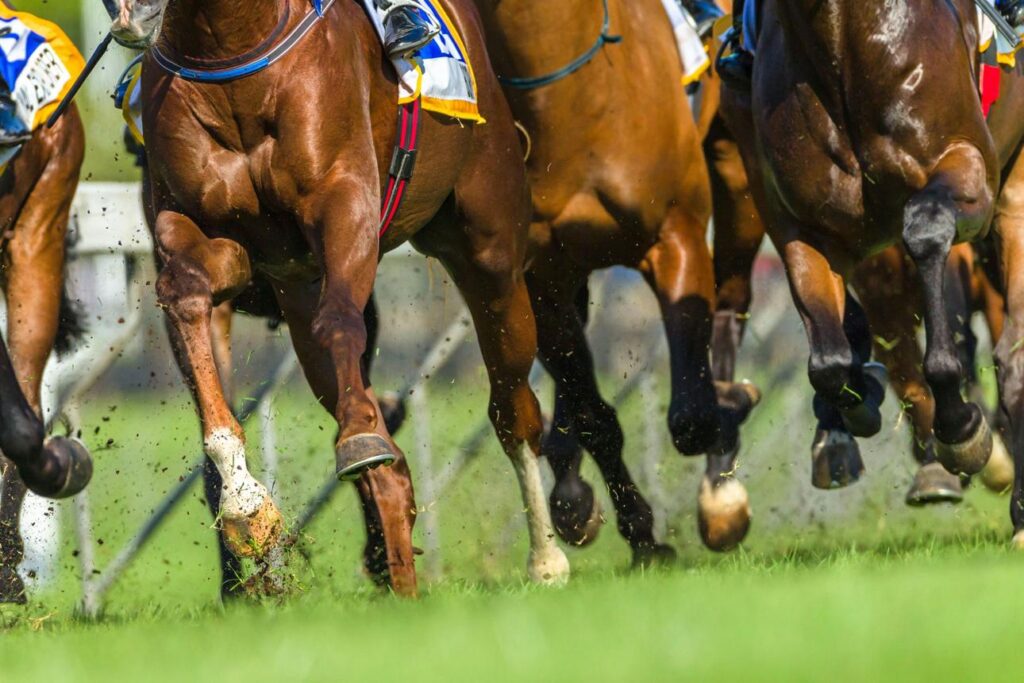
International horse racing takes place on a variety of surfaces, most notably turf and dirt, with synthetic tracks also used in some jurisdictions.
Each surface has distinctive characteristics. Its consistency, moisture, firmness and maintenance can affect how horses move and respond during a race.
A horse with a strong record on turf may need to demonstrate its ability before being considered equally effective on dirt. Even established surface specialists can produce different performances as conditions change.
Understanding the Going
In British and Irish racing, the term going describes the condition of the turf surface, ranging from firm through softer conditions to heavy going. Racecourse officials assess the surface and publish the applicable description.
Weather is an important influence, but rainfall alone does not determine the final condition. Drainage, soil composition, irrigation and the structure of the course can also matter. The British Horseracing Authority explains how racecourse management and watering contribute to the condition of the racing surface.
Why Horses Respond Differently
Some horses travel comfortably on faster ground, while others handle more testing conditions effectively. A horse’s stride, running style, physical characteristics and previous performances can help analysts assess its likely suitability.
However, preferences should be supported by evidence. A small number of previous runs may not provide a reliable picture, particularly when the horse has faced different distances or levels of competition.
Making Track Conditions Part of Form Analysis
Before assessing an international race, readers should establish the declared surface, latest conditions, weather outlook and each runner’s relevant record.
Conditions can also change, making updated official information important on race day.
The track is not merely the background to a contest. It is one of the variables that connects preparation, tactics and performance.
For anyone following international horse racing, understanding the surface is an essential step towards understanding the race itself.