
Horse Welfare and Racing Integrity: Why Trust Matters
The long-term reputation of horse racing depends on more than exciting finishes and celebrated champions. The sport also depends on how horses are cared for, how competition is regulated and how confidently the public can trust the results.
Welfare and integrity are distinct responsibilities, but they are closely connected to the future of racing.
Horse Welfare Comes First
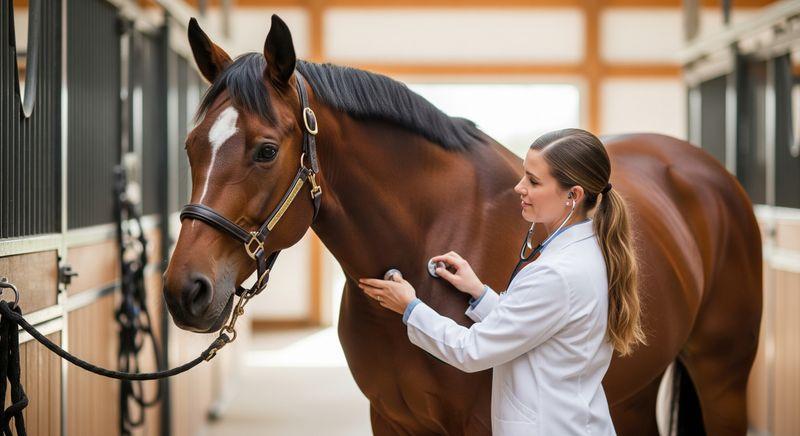
Racehorses require suitable nutrition, training, veterinary care, safe facilities and appropriate recovery. Their needs change throughout their careers, from early development and training through competition and retirement.
Recognising signs of illness, injury, fatigue or distress is an important part of responsible horse management. Decisions about training and competition should take account of a horse’s health and individual circumstances.
Welfare responsibilities also extend beyond race day. Planning for a horse’s future after its racing career is an important consideration for owners and the wider industry.
Integrity Protects Competition
A sporting contest has value when participants follow clear rules and results reflect genuine competition.
Racing authorities establish and enforce regulations covering areas such as race conduct, prohibited substances, licensing and disciplinary procedures. The precise framework differs between jurisdictions, so international followers should understand the rules applicable to the meeting they are watching.
Testing, monitoring, reporting procedures and investigations can help authorities identify potential breaches and maintain confidence in competition.
Transparency and Accountability
Clear communication matters when an incident occurs. Accurate information about official inquiries, veterinary matters and disciplinary decisions helps audiences understand what happened without relying on speculation.
Responsible reporting should distinguish confirmed findings from allegations and should correct errors when new verified information becomes available.
A Shared Responsibility
Trainers, owners, jockeys, stable staff, veterinarians, racecourse operators, regulators and racing media all contribute to the culture surrounding the sport.
No single measure can answer every welfare or integrity challenge. Ongoing review, sound professional practice and accountable governance are important elements of continuous improvement.
Looking Ahead
International racing can build public confidence by making welfare and integrity central to its decisions, rather than treating them as secondary concerns.
Celebrating a champion is meaningful, but the standards upheld throughout that horse’s career matter just as much.
The future of racing depends on competitive excellence, responsible care and trust.